Resources
Explore a collection of resources designed to support conservation, land stewardship, and environmental education throughout Virginia’s Northern Piedmont. Whether you’re a landowner, conservation practitioner, community member, or partner organization, you’ll find valuable tools, guidance, and information to help protect and enhance the region’s natural landscapes.
Rural Landowner Manual
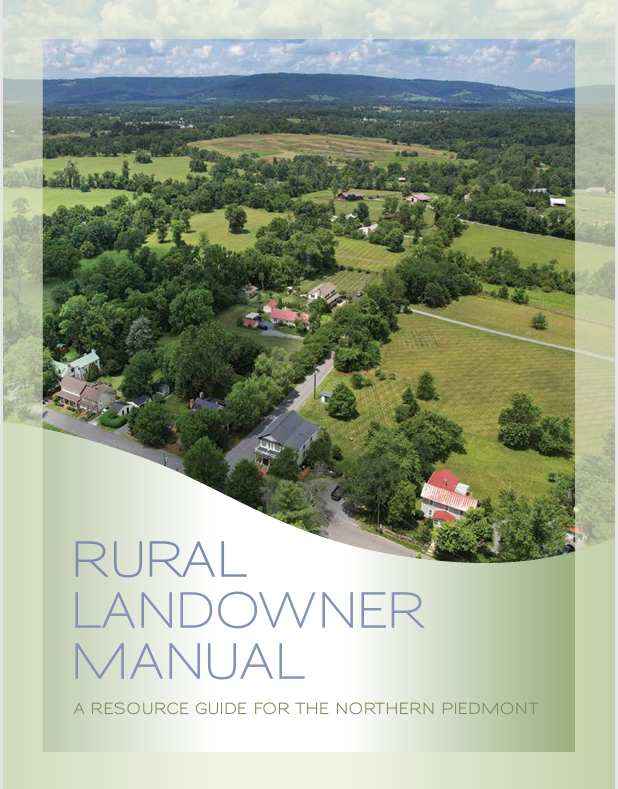
OCH Conservation Foundation and other partners worked with The Piedmont Fox Hounds Conservation Fund (PFHCF) to publish the Rural Landowner Manual. This free, comprehensive resource guide is designed for the Northern Piedmont region. It provides local landowners with practical guidance on wildlife habitats, conservation easements, and best land management practices. Download it here.
Financial Incentives for Conservation
This resource from OCHCF, PFHCF, and partners provides a brief summary of the financial incentives available to support your effort to conserve and improve your Northern Piedmont property. Download it here.
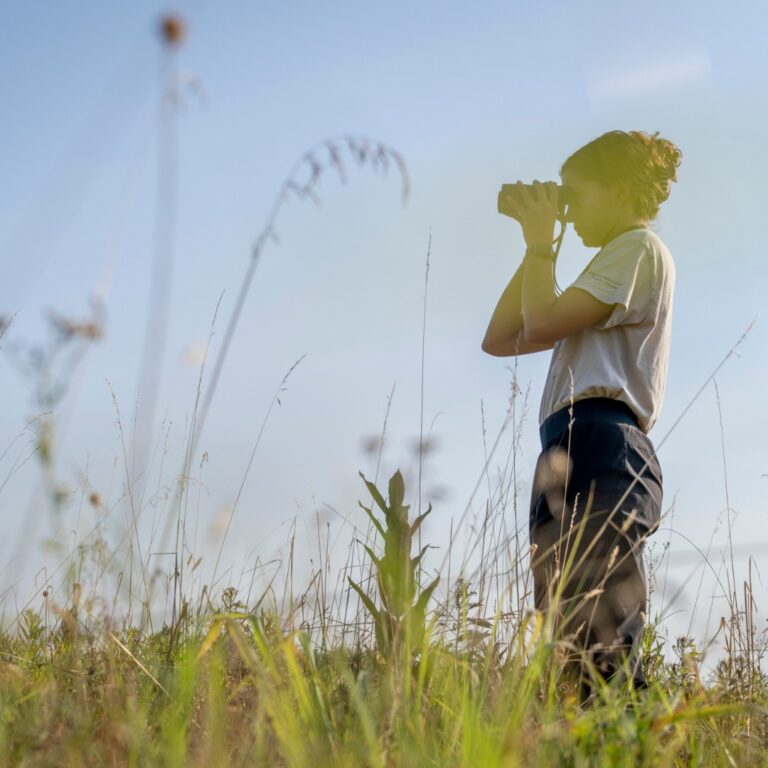
The OCH Conservation Foundation partners with VWL to connect our community with conservation research through educational events, workshops, field days, and practical resources. Together, we provide landowners with expert guidance, habitat management tools, and stewardship resources that empower them to conserve wildlife, improve habitat, and protect the unique landscapes of Virginia’s Northern Piedmont.
The short film called “In Plain Sight,” takes us into Virginia’s overlooked and shrinking grasslands, where incredible plants survive in tiny pockets. These small wonders are a reminder that even small habitats matter and that paying attention can reveal something worth protecting. The research featured in this film is inpartnership with the Smithsonian’s Virginia Working Landscapes, The Clifton Institute, the Restoration Ecology Lab at Virginia Tech and the Piedmont Discovery Center.
At the OCHCF 2026 Spring Safari, VWL introduced “The People Behind the Practices”, a new video series sharing the stories of landowners and managers putting conservation into action on working lands. Through personal experiences and practical management, this series explores how everyday decisions can shape healthier, more resilient landscapes for wildlife and people alike.
The first episode focuses on forest management, and the role active stewardship can play in supporting healthy forests.
American Kestrel Nest Box Installation
OCHCF collaborates with Virginia Working Landscapes to ensure farmers and landowners have access to nest box programs. The boxes give these birds safe places to raise their young on working lands. This is a how-to video on installing nest boxes for American Kestrels. As cavity nesters, kestrels depend on old tree cavities and other natural openings for nesting sites, many of which have become increasingly scarce. Providing properly installed nest boxes can create safe nesting habitat, support breeding pairs, and help conserve one of Virginia’s most iconic grassland birds.
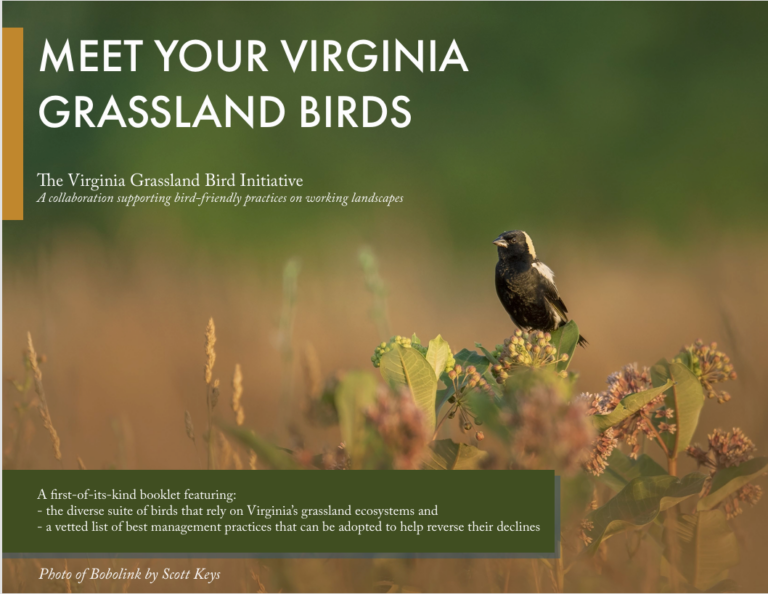
Through partnerships with conservation organizations, OCH Conservation Foundation supports efforts to protect and restore vital habitats for future generations. Virginia’s working farms and open fields are home to more than 60 species of grassland birds that depend on these landscapes for nesting, feeding, and shelter. Species once commonly seen across the Piedmont—including Eastern Meadowlarks, Bobwhite Quail, and American Kestrels—have declined significantly as native grasslands disappear. This guide was created by Virginia Working Landscapes, OCHCF, and other organizations so farmers can enhance habitats for grassland birds while meeting production goals and improving the resilience of their land. Download the guide here.
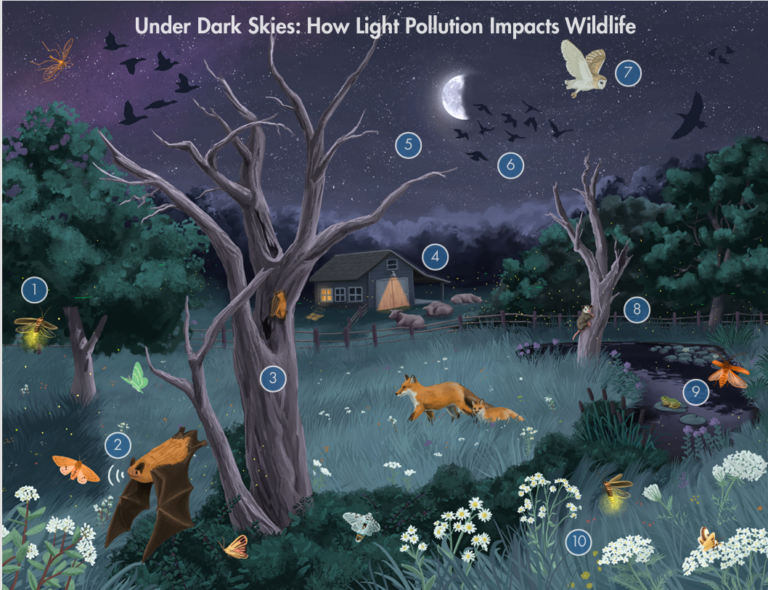
VWL released a new partner developed resource encouraging responsible outdoor lighting to support wildlife and dark sky conservation.
This resource was created in partnership with American Farmland Trust, the Piedmont Environmental Council, Quail Forever, the Shenandoah Valley Conservancy, Dark Skies Piedmont, and Dark Skies Virginia.
Virginia Grassland Bird Initiative (VGBI)
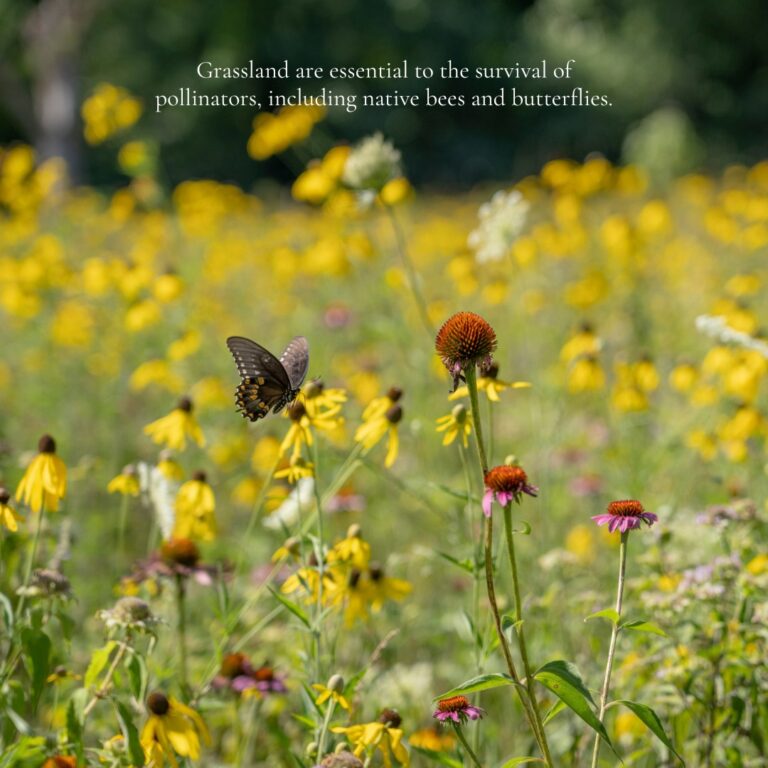
The Virginia Grassland Bird Initiative (VGBI) is a collaboration of Smithsonian’s Virginia Working Landscapes, Piedmont Environmental Council, American Farmland Trust, and Quail Forever. These organizations are working together to:
- Stem the tide of grassland bird decline
- Improve the resiliency of working landscapes
- Positively impact the livelihoods of those who depend upon those lands
VGBI has resources that include information on best management practices for grassland birds, native plantings for quail, and riparian buffers for wildlife. Check them all out here or link to them individually below:
- Factsheet: Raise the Blade
- Factsheet: American Kestrel Nest Boxes: Stewardship and Monitoring
- Factsheet: Best Management Practices (BMPs) for Grassland Birds
- Factsheet: Native Plantings for Quail
- Pamphlet:Riparian Buffers for Wildlife
Piedmont Environmental Council and Virginia Grassland Bird Initiative
Contact: October Greenfield
Wildlife Habitat Restoration Coordinator
VGBI Co-Coordinator
ogreenfield@pecva.org
(540) 347-2334 ext. 7051
Blue Ridge PRISM
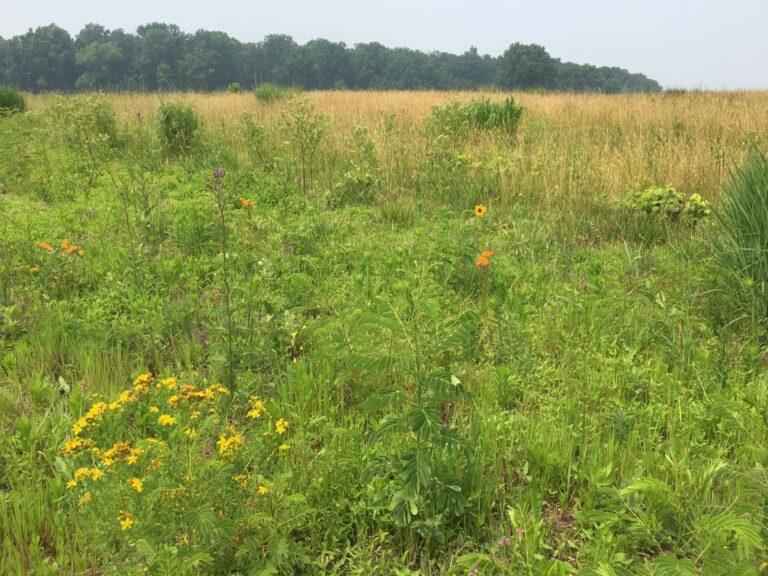
OCHCF collaborates with Blue Ridge PRISM at workshops to educate landowners about what resources they provide, Blue Ridge PRISM conducts site visits, surveys, maps, and provides invasive plant management plans for public and private land across 12 counties in the northern Blue Ridge mountains.
Contact: Natali Walker (natali@blueridgeprism.org
Invasive Management Specialist
The Clifton Institute
The Clifton Institute conducts ecological research and conservation programs that support native plants, wildlife, and healthy habitats. Through workshops, field days, and landowner meetups, participants gain practical stewardship skills while connecting with others committed to conservation.
Through its partnership with the Clifton Institute, OCHCF helps expand conservation outreach across the northern Virginia Piedmont, providing landowners with the tools, knowledge, and support needed to create lasting benefits for wildlife and the landscape.
Contact: Marie Norwood (mnorwood@cliftoninstitute.org)
Land Management Outreach Associate
American Farmland Trust
American Farmland Trust is a national non-profit organization dedicated to protecting farmland, the promotion of environmentally sound farming practices, and the support of farmers and ranchers across the United States.
They advocate for practices like cover cropping, no-till, and regenerative grazing through policy leadership, research, and hands-on mentor networks for producers.
Contact: Jacob Gilley (jgilley@farmland.org)
Mid-Atlantic Sustainable Grazing Manager
Quail Forever in Virginia
Quail Forever’s mission is to conserve quail, pheasants, and other wildlife through habitat improvements, public access, education, and conservation advocacy.
In Virginia, cost-share and financial incentive programs for quail and pollinator habitats are available through state and federal partnerships. Local, on-the-ground support and specialized seed mixes are coordinated through the Virginia Department of Wildlife Resources (DWR), Quail Forever, and the USDA.
Contact: Celia Vuocolo (cvuocolo@quailforever.org)
Private Lands Biologist
John Marshall Soil and Water Conservation District
The John Marshall Soil & Water Conservation District provides technical assistance and education to landowners so they may manage and protect their natural resources with a focus on local soil and water conservation efforts in Fauquier County.
Conservation Programs & Services provided by John Marshall SWCD include:
Technical assistance for planning and designing conservation practices such as animal waste storage facilities, stream bank protection fencing, installation of alternative livestock water systems, stream crossings, and rotational grazing systems.
Financial incentives for installing conservation practices through the Virginia Cost Share and Tax Credit Program.
Development and oversight of conservation plans for agriculture production and good stewardship of natural resources.
Management of the Total Maximum Daily Load (TMDL) program to improve water quality in Fauquier County’s impaired streams.
Building public/private partnerships to manage and preserve Fauquier County’s natural resources.
Contact: Kris Jarvis (kris.jarvis@fauquiercounty.gov)
Conservation Specialist